 Image 1 of 1
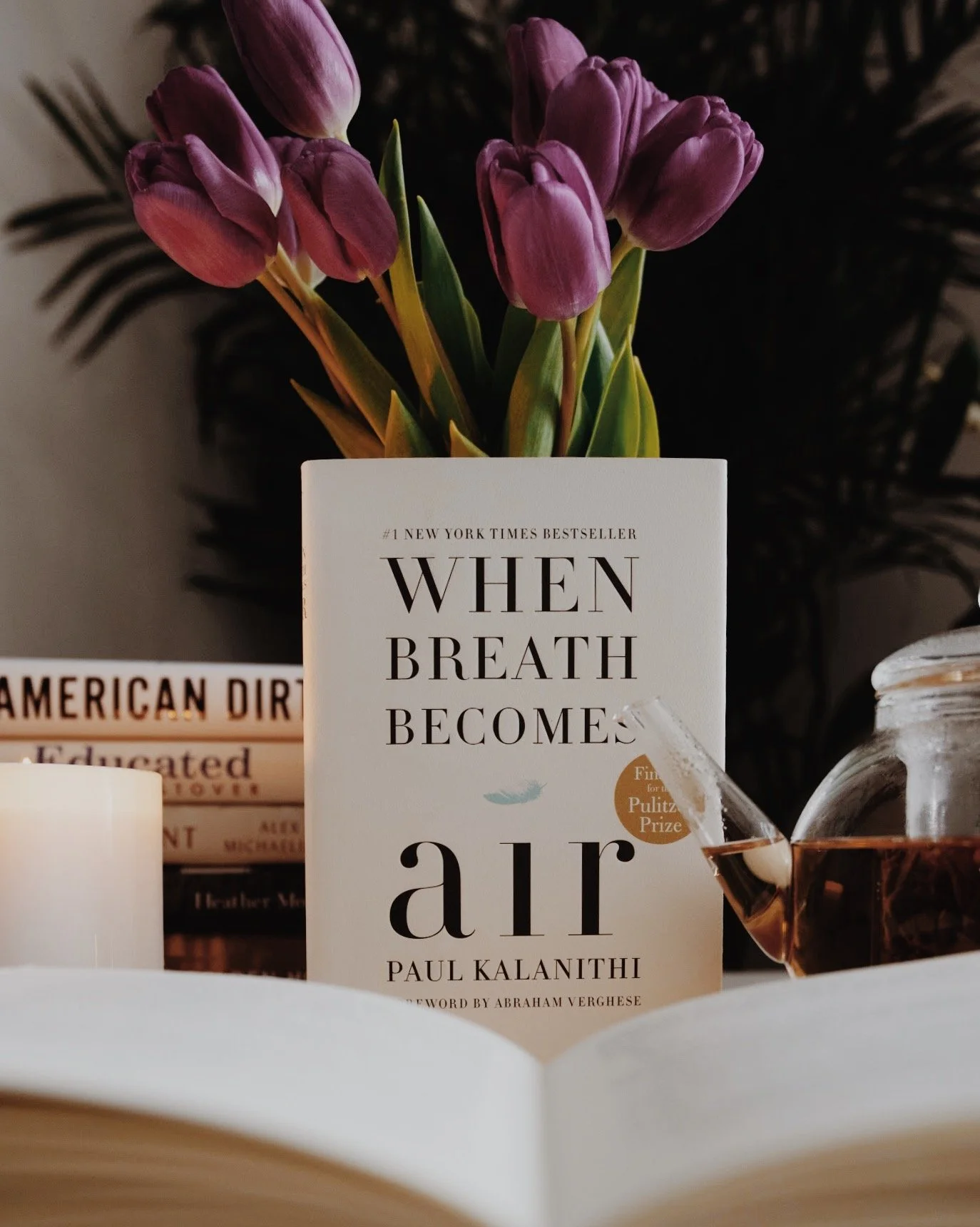
I closed this book with an unexpected question: Why did I choose to read a memoir about a neurosurgeon diagnosed with lung cancer? I think I was secretly expecting a triumphant story—a miraculous recovery or an extraordinary tale of someone making history in the little time they had left. Instead, I found something far more profound.
This is not a book about defeating death. It is a book about understanding life.
Paul Kalanithi wasn’t simply a brilliant neurosurgeon. Before medicine, he was deeply drawn to literature and philosophy, fascinated by what it means to be human. That curiosity eventually led him to neurosurgery—a profession where science and humanity collide every single day.
Reading his experiences completely changed the way I look at doctors. I’ve spent countless hours in hospitals over the years, waiting outside operating rooms while my mother, father, and grandmother underwent surgery. Yet I had never stopped to think about what it takes for a surgeon to walk into an operating room carrying the weight of another person’s life. The years of relentless training. The impossible standards they hold themselves to. The responsibility of delivering hope when the outcome is uncertain.
One line, in particular, stayed with me:
“Perfection is a moral obligation for the surgeon.”
That sentence made me appreciate every doctor I’ve ever met. I found myself thinking constantly about my doctor aunty as I turned each page. It also brought back memories I hadn’t revisited in years—long nights in hospital corridors, anxious waits outside operating rooms, and the overwhelming relief that follows good news. More than once, I had to stop reading just to wipe away my tears.
The second half of the memoir is even more intimate. Paul transitions from being the physician to becoming the patient after receiving a diagnosis of terminal lung cancer. Some days he is filled with hope and purpose; on others, grief consumes him. His journey is a beautiful reminder that acceptance isn’t a destination—it comes in waves. We don’t conquer grief once. We learn to live alongside it.
This isn’t an easy book, nor is it meant to be. It asks difficult questions about identity, purpose, mortality, and what gives a life meaning when time becomes limited.
I recommend this book to anyone willing to sit with uncomfortable truths. Because whether we speak about death or avoid the subject altogether, it remains the one certainty every one of us will eventually face. And perhaps that is exactly why books like this matter so much.
I closed this book with an unexpected question: Why did I choose to read a memoir about a neurosurgeon diagnosed with lung cancer? I think I was secretly expecting a triumphant story—a miraculous recovery or an extraordinary tale of someone making history in the little time they had left. Instead, I found something far more profound.
This is not a book about defeating death. It is a book about understanding life.
Paul Kalanithi wasn’t simply a brilliant neurosurgeon. Before medicine, he was deeply drawn to literature and philosophy, fascinated by what it means to be human. That curiosity eventually led him to neurosurgery—a profession where science and humanity collide every single day.
Reading his experiences completely changed the way I look at doctors. I’ve spent countless hours in hospitals over the years, waiting outside operating rooms while my mother, father, and grandmother underwent surgery. Yet I had never stopped to think about what it takes for a surgeon to walk into an operating room carrying the weight of another person’s life. The years of relentless training. The impossible standards they hold themselves to. The responsibility of delivering hope when the outcome is uncertain.
One line, in particular, stayed with me:
“Perfection is a moral obligation for the surgeon.”
That sentence made me appreciate every doctor I’ve ever met. I found myself thinking constantly about my doctor aunty as I turned each page. It also brought back memories I hadn’t revisited in years—long nights in hospital corridors, anxious waits outside operating rooms, and the overwhelming relief that follows good news. More than once, I had to stop reading just to wipe away my tears.
The second half of the memoir is even more intimate. Paul transitions from being the physician to becoming the patient after receiving a diagnosis of terminal lung cancer. Some days he is filled with hope and purpose; on others, grief consumes him. His journey is a beautiful reminder that acceptance isn’t a destination—it comes in waves. We don’t conquer grief once. We learn to live alongside it.
This isn’t an easy book, nor is it meant to be. It asks difficult questions about identity, purpose, mortality, and what gives a life meaning when time becomes limited.
I recommend this book to anyone willing to sit with uncomfortable truths. Because whether we speak about death or avoid the subject altogether, it remains the one certainty every one of us will eventually face. And perhaps that is exactly why books like this matter so much.